Showing posts with label play. Show all posts

Tuesday, 26 September 2023

Pratik Gandhi - A Theatre Gem

Theatre is a platform to express a legion of thoughts through acting. The amalgamation of literature and performing arts is incredible, especially when it comes to transforming a literary masterpiece into a full-fledged theatre performance. To do so, it takes dedication, tremendous collective effort, and most importantly, patience. Actors who have worked as theatre artists at the beginning of their careers are more likely to succeed in the field of acting. Because at first, they understand the aura of the stage and the mood and temper of the live audience. Before the rise of Urban Gujarati cinema, theatre was one of the choices of entertainment for people. Many names come to mind while talking about theater performances. Pratik Gandhi is the most recent name and one may call him a theatre gem as he continues to shine as a theatre enthusiast even after his cinematic success. It is worth mentioning here that his love for theatre has been inevitable since his days in engineering.
In Bhavnagar, Sir Sir Sarala was a good experimental play I watched, and just like other reviewers, I stated among my friends that Pratik Gandhi would be a success in the industry. It was the first time I saw his stage performance. In 2016, it was his second-best performance in Bhavnagar while he acted in two plays, Mohan No Masalo and Hun Chandrakant Bakshi; solely performed by him.

And the rest is known to all cinema-goers. Bey Yaar and Love Ni Bhavai was a cinematic success.

Yesterday evening, it was a joyful experience to again watch him in the same plays Mohan No Masalo and Hun Chandrakant Bakshi. However it was not his first performance in Bhavnagar but for many, it was the first time that they would be watching Pratik acting live. So here are my review points.

1. Mohan No Masalo (Mohan's Masala)

This play is basically a compilation of Mahatma Gandhi's learning outcomes from his own life. It depicts the early days of Mohandas Gandhi's early childhood, his married life, his experience of going abroad on seaway, his days of studying barrister in England, the death of his father Karamchand Gandhi, his first case after being a barrister, his journey to Africa, his experience of humiliation and fight against physical violence, and so on.

Through this play, we get to know that a child's innocence and curiosity to know the truth by asking simple yet firm questions continue to grow as a virtue and become a key factor in the overall development of the personality. It is inevitable to stick to the truth in every circumstance, no matter how adverse the situations may turn.

The play has been faithful to Mahatma Gandhi's autobiography Satya Na Prayogo (The Story of My Experiments with Truth).

2. Hun Chandrakant Bakshi (Me, Chandrakant Bakshi)

Before talking about Pratik Gandhi's acting it's important to mention Bakshi Babu himself. Chandrakant Bakshi was a prolific, sharp, and brave Gujarati author who wrote masterpieces for Gujarati literature. His sense of self and me-attitude were signs of living a brave, blunt yet truthful life as a Gujarati author. His contribution to the field of literature set many milestones and inspired many young authors to write more openly in the Gujarati language.

What I loved about the play is Bakshi Babu is shown exactly as he was in his real life. The play inspires many readers to explore more about Chandrakant Bakshi. When Pratik Gandhi played Bakshi Babu it seemed like Chandrakant Bakshi himself was on the stage to talk about himself.

Through this play, I came to know many interesting facts about Bakshi Babu. Along with writing he also loved the profession of a college professor. It was a shocking thing for me that he experienced a betrayal from his close friend when he was terminated from the designation of principal; a friend who once established an institution and appointed Bakshi Babu as principal in first place. It was surprising to know that he was an ardent lover of sweets. He stayed in Kolkata for some time and it is evident that this influence of the Bengali environment is found in his writing as well. Bakshi Babu was of the opinion that every Gujarati should take military training because a fat-free and well-shaped body can make wonders in life. He himself was a marathon runner. He followed a great deal of discipline in writing. Moreover, his passion for living life in extremes is truly inspiring.

The play remains faithful to the autobiographical work Bakshinama.

If a person has a keen interest in Gujarati literature and if she's never read Bakshi then she would be missing a great deal of newness and freshness of Gujarati literature.

Thanks to Shihir Ramavat and Manoj Shah for writing and directing such a beautiful play. It was really a great feast to enjoy.

It's a lark !!!

Monday, 30 September 2019

Rang Mohan Youth Festival 2019

A Very Youthful Hello to All !!

Youth can be described in many poetic ways.

ઘટમાં ઘોડા થનગને આતમ વીંઝે પાંખ,
અણદીઠી ભોમ પર, યૌવન માંડે આંખ. - ઝવેરચંદ મેઘાણી

झपटना पलटना, पलटकर झपटना, लहू गर्म रखने का है एक बहाना
परिंदो की दुनिया का दरवेश हूं मैं, एक शाहीन बनाता नहीं आशियाना – इकबाल

From 25th to 28th September, Rang Mohan Youth festival at MK Bhavnagar University was organised.

2019 is the year in which 150th Birth Anniversary of Mahatma Gandhi is being celebrated. Maharaja Krishnakumarsinhji Bhavnagar University organised and hosted 29th Intercollegiate Youth Festival. "Rang Mohan", the title of youth festival is aptly connected with Gandhiji's life journey, from Mohan to Mahatma. There were about 1130 participants in the festival. Various events like, Folk songs, Western songs, paper collage, clay modelling,  spot painting, spot photography, rangoli, mehendi, mono acting, one act play, skit, mimicry, mime, quiz, essay writing, elocution competition were included in the festival.

There were 5 stages allotted to these events,
1. આચાર્ય તખ્તસિંહજી પરમાર મુખ્ય મંચ અને કલાગુરુ ધરમશીભાઈ શાહ નૃત્ય મંચ (એમ્ફીથિયેટર)
2. કવિ શ્રી ત્રાપજકર નાટ્યમંચ (અટલ ઑડિટોરિયમ)
3. સુરમણિ રસિકલાલ અંધારિયા સુર મંચ (નવો કોર્ટ હોલ)
4. કલાગુરુ શ્રી ખોડીદાસ પરમાર કલા મંચ (બાહ્ય અભ્યાસક્રમ ભવન)
5. રાજકવિ શ્રી પિંગળશીભાઈ નરેલા સાહિત્ય મંચ (અંગ્રેજી ભવન)

In every event of this festival, there were many new notable things, let's have the glimpse of some of these events.

(01) Mimicry
Mimicry was the best performance because many new sounds like car, motorbike, scooter, aircraft and other things are introduced and most interestingly, different characters's voices from Hollywood and Bollywood were included. Especially Bad Joker, Oggy, Johnny Lever, Sunny Deol were the actors whose voices used for mimicry.

(02) Western Group Song
Western Group was the event I liked the most, because the participants have selected very appropriate songs and they were singing them very melodiously. Here are those original songs from YouTube.


(03) One Act Play

-:: Click Below link to watch the play acted by other university students.
"મુકામ પોસ્ટ હૃદય"
જિંદગી નો આ ટૂંકસાર છે... ના કિનારો ના મઝધાર છે... Starting with such poetic lines, this play expresses well the terrible condition of psychologically disabled girl Mansi, who was in love with her pen friend, Bhadresh Bhavsar, whom she never met face to face and still got affection with him. Dr. Rushi, Mumbai based psychiatrist counsels his best friends' daughter Mansi who suffers from this double personality disorder.

-:: The other play was about Artificial Intelligence and how it can be connected with the ability of human's decision making skill. The positive side of Artificial Intelligence is shown in this play. Here is one glimpse of the play.

શિવાની ના પપ્પા નું મૃત્યુ થયું છે. તેના ગામ જવા માટે અઢી વાગ્યા ની ટ્રેન છે. તે ખુબ જ આઘાત માં સરી પડે છે. શિવાની નિર્ણય લે છે કે બીજા દિવસ ની એન્જીનીયરીંગ ની પરીક્ષા નથી આપવી. તેની એક બહેનપણી મેઘા તેને સમજાવે છે કે, મૃત્યુ ના સમાચાર પહેલા ના સમય માં ખુબ મોડા આવતા હતા ત્યારે માણસ ને એટલો જ આઘાત લાગતો હતો, અને હવે ફોન અને સોશ્યલ મીડિયાના સમયમાં જ્યારે તાત્કાલિક મૃત્યુ ના સમાચાર આવે છે અને આપણે.. તરત જ આપણે નિર્ણય લઈએ કે આવતી કાલ ની પરીક્ષા નથી આપવી એમ શા માટે? તે બહેનપણી શિવાની પિતાએ લીધેલી લોન.. અને કેટલીક આર્થિક સ્થિતિઓ નું વર્ણન કરે છે અને એમ સમજાવે છે કે, પિતાએ જોયેલા સપનાઓ પૂરા કરવા માટે અને દીકરી ને આગળ વધતા જોઈને જો પિતા જીવતા હોત તો કેટલા ખુશ થાત? આ બધું તેની અન્ય બહેનપણીઓ સમજી નથી શકતી. ઘર માં દુઃખનો અને રોકકળ નો માહોલ હોય કે પછી કોઈ પણ કપરી પરિસ્થિતિ હોય દરેક વ્યક્તિએ આ રીતે જ સ્થિતપ્રજ્ઞ રહીને સાચા નિર્ણયો લેવાની ટેવ રાખવી જોઈએ.


નાટક માં બધા જ સ્ત્રી પાત્રો છે, તેથી સ્ત્રી સશક્તિકરણ પણ એક મુદ્દો બને તેમ છે. જયારે પણ આપણે કોઈ નિર્ણય લેતા હોઈએ છીએ ત્યારે તે પ્રેક્ટિકલ છે કે ઈમોશનલ તે પહેલા જોવું જોઈએ. ઈમોશનલ નિર્ણયો, ક્યારેક આપણને જોખમમાં મૂકી શકે છે. અને બુદ્ધિ પૂર્વક નો પ્રેક્ટિકલ નિર્ણય આપણને ઘણી વાર આવનારા મોટા સંકટમાંથી ઉગારી લેતો હોય છે. આ નાટક આપણને શિક્ષણ નો સાચો અર્થ સમજાવી જાય છે. ઘણા નુકસાન એવા હોય છે જેની ભરપાઈ ક્યારેય ન થઈ શકે. એકવીસમી સદીમાં ભાવનાઓ અપડેટ કરવાનો યુવાનો પાસે અવસર છે. આજની જનરેશન માં મીડિયોકર ટેન્ડેન્સી વધી રહી છે, લોજીકલી વિચારવાની ક્ષમતા અને ક્રિએટિવિટી આપણે ગુમાવી રહ્યા છીએ, છેલ્લે શિવાની ના મમ્મી નો ફોન આવે છે અને તેની બહેનપણી મેઘા, આન્ટી સાથે વાત કરે છે કે, "હા આન્ટી, આપે કહ્યા પ્રમાણે જ મેં શિવાનીને સમજાવી છે, હવે તે કાલે પરીક્ષા આપીને પછી જ ઘરે આવશે." અને ફરીથી બધી જ બહેનપણીઓ આંખ માં આંસુ સાથે બીજા દિવસ ની પરીક્ષાની તૈયારી માં લાગે છે. છેલ્લે જયારે આ વળાંક આવે છે ત્યારે કેટલાક મેલોડ્રામેટિક સંવાદો અને અભિનય થી પ્રેક્ષકો delight અનુભવે છે. આ નાટક ને લોજીક અને લાગણીઓનો અનોખો દ્વંદ્વ કહી શકાય. જેમાં દર વખતે જોવા મળતા લાગણીના વિજય કરતા આ નાટક માં લોજીક નો વિજય થતો દર્શાવ્યો છે. આ નાટક ઘણે અંશે નવીનતા ભર્યું અને વર્તમાન સમયને સાંકળતું નાટક છે.

-:: This play highlighted the center and periphery approach. Living in mega cities, we feel that nothing is happening wrong in society, everyone is given equal rights; men and women are considered equal, but here in this play, we come to know that how women are tortured and beaten by males in small villages. Below is the original film, "મહોતું"


-:: Mythological plot taken from the epic, Mahabharata. Use of Long dialogues and highly figurative language makes the play a bit difficult to understand yet interesting. Urubhangam is the story of this play.


(04) Skit


-:: In the first skit, all the goddesses are portrayed very modern, drinking tea and coffee, talking with each other as of they are gossiping about some topic. They are talking about corruption in India. With humorous ways. It generates laughter with wit and satire. It can be said that this was anti-sentimental comedy.


-:: The second skit was about trading of human relations, someone doesn't like his father, of someone wants to buy a brand new husband! Very good satire on human's negligence towards relations like, brother, father, mother, daughter, sister etc. Human's are so busy with their own selves that they don't even know towards what decay they are going! This skit was very satirical. This image explains how a receptionist explains the values of relations for marketing purpose. At the end one old man comes and asks for a son, and the skit takes an emotional turn.

-:: Fourth Skit was of Department of English, participants presented very peripheral topic, LGBTQQIA; Lesbians, Gay, Bisexual, Transgender, Queer, Questioning, Intersex and Allies. These people are very much harassed, tortured, and hated just because they are not normal by their bodies. After all they all are the integral part of mankind, and they should be given equal rights and life.


-:: Fifth skit was also about negligence of youth towards their elders and breaking of family bonds. married couples are taking divorce because of social media, and other smartphone related reasons. Youth should spend mire time with their family and relatives instead of using too much social media. By doing this they will get to know each other and generation gap will be filled up. Interaction between elders and youth is much necessary in modern times, because youth doesn't reveal all the truth, and without telling any reason, young people are committing suicide. Doing healthy conversation is the only key to resolve these problems. The skit thrown light on this topic very aptly.

-:: Third skit was also very satirical towards various problems in India, like high pricing, patrol and diesel are being dear day by day. Ravan comes to the earth and feels amazed by watching the fast development in India, but he also strikes some satire on the arrival of unnecessary things such as Bullet train and Statue of Unity. Ravan, just according to his nature, scolds people and provokes them that if we want to uplift our country, we have to come out from the barriers of old and orthodox mentality.


(05) Clay Modelling


(06) Rangoli


(07) Paper Collage


(08) Spot Painting


(09) Spot Photography
I was the participant in this event. Here are few clicks!!


Overall this youth festival was full of joy and colors of different talents. It became a good platform for young generation to perform and show the talent.

Thank You!

Sunday, 4 August 2019

Thinking Activity 3 - Dr. Faustus : A Play by Christopher Marlowe

Welcome Readers!

Brainstorming is the term which is used by multinational companies and many corporate sectors. In order to bring out new ideas and suggestions, all the colleagues sit together and discuss the pros and cons of any topic, and rethink the entire plan or agenda.

At the department of English, MK Bhavnagar University, Dr. Dilip Barad encourages students for brainstorming, in which, students rethink the entire syllabus and units, and write their own answers in their blogs. This thinking activity is related to Dr. Dilip Barad's blog in which he has asked questions regarding the play, Dr. Faustus by Christopher Marlowe. Click here to visit blog.


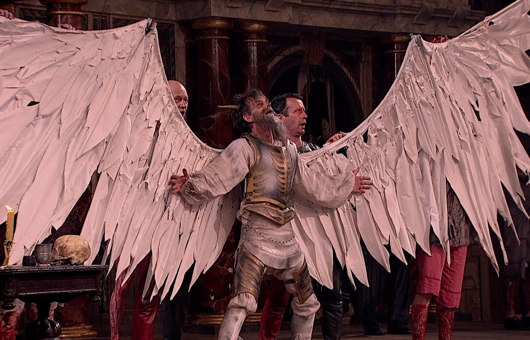
Que. (1) The play directed by Matthew Dunster for Globe theatre ends with this scene (see the image of Lucifer). What does it signify?


Last Scene: Lucifer with wide wings

Ans : Lucifer is one of the chief characters in the play. He is master of Mephistophilis and ruler of the Kingdom of Hell. In the stage performance Mephistophilis takes Faustus's soul and bows down in front of his master Lucifer. Each time any soul enters into Lucifer's Kingdom of Hell is expanded. May be his devilish smile and widespread wings shows the wrath and cruelty of his character.


Que. (2) Is God present in the play? If yes, where and how? If No, why?

Ans : When we say the word "GOD", we are actually imagining some personality, which, as a human beings we've never seen. This play somehow denies the theory of existence of God with reference to Dr. Faustus's character. It can not be established that, a person with good moral and ethical values should be considered as Godly Persona. There may be some place for virtues as well as vices in every person.

Que. (3) What reading and interpretation can be given to this image (see the image of Daedalus and Icarus) with reference to central theme of the play Dr. Faustus?

Father Daedalus and Son Icarus

Ans : This picture is related with Greek Mythology. Daedalus, a master craftsman and artist, is ordered to prevent the knowledge of the Labyrinth and not to be shared to anyone. He wants to escape from the prison-like ship from which he cannot come out, he fabricates wings with bees wax, joins all feathers and ties them with strings. He makes waxen wings for himself and for his son, Icarus as well. Daedalus tells Icarus not to fly closer to the Sun; it would melt the wings, and also not to fly nearer to the sea surface; it would soak the wings. Icarus forgets father's instructions and flies higher and too close to the Sun, wings melt down and Icarus falls in the water and dies.
This incident can be perfectly connected with the play Dr. Faustus. With the context of the play, Daedalus, can be seen as Old Man and Good Angel, and Icarus can be seen as Dr. Faustus. Dr. Faustus ignores the sayings of Good Angel and Old Man throughout the play, and tragic end occurred. Just as Icarus met with tragic death.


Que (4) How do you interpret this painting?


Ans : This painting, at first sight, seems very normal. A ship is sailing ahead, a farmer is ploughing the land, a shepherd is going on his way, and an angler is busy with fishery. But the painter Peter Bruegel the Elder, has perfectly minimized a tragic incident. In the lower right corner, we can see that a person is drowning in water. He is none other than Icarus, a son of Daedalus. Father makes Waxen Wings told son not to fly closer to the Sun, but Icarus goes flying higher and higher. Greater the height, greater the fall. Because of the heat of the sunlight, Icarus loses his waxen wings and falls in the water. People around him don't even know that Icarus is drowning in the water. In the previous question, the idea of Fall was in the center, but here it has become a periphery, somewhere in the corner. This picture makes us think how the dynamics of the time changes gradually. Myth of a fallen hero, is considered as insignificant thing in the picture, weather a person lives or dies, nobody is concerned to that, the routine life goes on.


Que. (5) Read this article by Bhagat Singh. In light of the arguments made by Bhagat Singh in this article, can you re-write last monologue of Doctor Faustus?

Ans : Bhagat Singh was a strong atheist. If we place Bhagat Singh in place of the character of Dr. Faustus, the end would be very different. The last monologue of Bhagat Singh can be like this.

(Half an hour left to twelve.)
Bhagat Singh : O Lucifer, don't make me wait this long, if you want to take my soul, take right now, I am not going to weaver or repent for my deeds, nor I shall pray to God because I am an atheist. O stars of the heaven stop not till you end up your lives. O the eternal time, make your clocks faster so that I can die on the very moment. Let Lucifer and Mephistopilis take my soul and enlarge the kingdom of hell, I challenge all the mighty powers that keep your weapons ready, make your armors tight, I will never stop my quest for knowledge, take me, take my soul, let my books burn with entire library, I will return, O Mephistophilis, I will return.


Que. 6) Summarize articles discussed in the class:

- Summary of the article

Here, Robert Ornstein has pointed out the atheism of Marlowe and the depiction of spiritual machinery of good and bad angels. Faustus struggles a lot with his spiritual self but fails to judge what is good and what is bad. Ornstein has taken the reference of Faustbook to raise arguments about plot structure. By writing this play, the author is doing his own catharsis. Marlowe's life was full of controversies. In this young age, the fiery passion he has got, is unbearable to him, that is called Marlovian Enthusiasm. It looks like Marlowe has succumbed down from atheism to theism, because his character, Faustus does is so.


- Summary of the article

In this article, Kenneth L Golden, points out the theory of psychology of archetypes given by Carl Jung. According to Carl Jung, the images of Christian Mythology, created in Dr. Faustus, continue to operate in a neurotic way, and that images fail to form a basic concept of a healthy approach towards life. Jung points out that some dialogues and behavior of Faustus shows ego-inflation state of the human psyche. In prologue, we can see, Faustus is "swollen with cunning of a self-conceit". Many dialogues and exclamations are taken for deep psychological studies. Gradually after meeting mephistophilis, Faustus becomes more childish, primitive, thoughtless and vindictive prankster. In myth this change of behavior is called enantiodromia.